Current Layer
NEXUS Publication
The editorial and intellectual layer of the STS-IN platform.
NEXUS / Fieldnote
A Humanities Student Amidst Life Sciences: Integrating Ecology with Climate Change
A fieldnote on moving between humanities training, life sciences, and climate-focused ecological work.
Author
STS-IN Contributor
Published
31 October 2024
Read
7 min read
Dhritimoni Mahanta
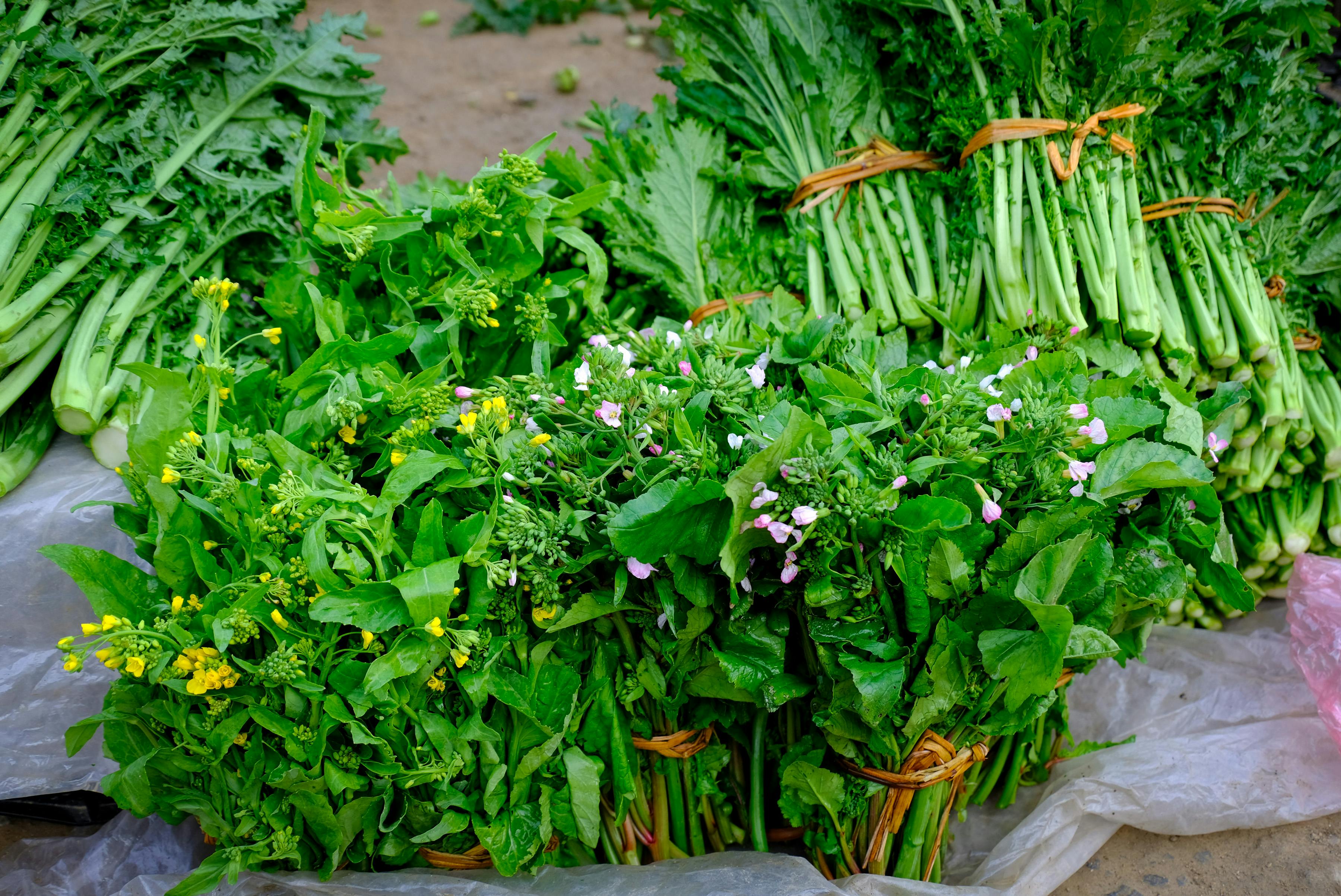
Image Credits: Pexels; Son Hoa Nguyen
I arrived at the Integrative Ecology in the Global South - The Company of Biologists workshop held from 8-11 March, 2026, close to the Kaziranga National Park (which is Assam’s pride) with a lingering sense of productive discomfort.
To be a humanities scholar in a room where the discussion is shaped largely by life sciences is to become immediately aware of the differences, not just in methods but in how problems are imagined. Ecology here often appeared through physiological measurements, movement tracking, metabolic rates and environmental modelling. Across multiple sessions on environmental change, biomechanics, and evolutionary biology, life unfolded as something to be measured, compared and explained.
And yet the workshop quietly resisted becoming a purely technical space, and the structures of the programme made that clear. Scientific sessions were interspersed with collective brainstorming, panels and even art sessions. Mornings that began with tightly timed talks often opened to discussions on challenges and success stories. Evenings dissolved into shared meals, informal conversations and a collaborative art practice session. The presence of early career researchers (ECR) alongside established scholars and the inclusion of an ECR-led panel all suggested that the workshop was not just a site of presenting finished knowledge but for thinking together about how knowledge is made. It was within this carefully designed ecology of interaction that I located my own contribution.
Locating Myself Within the Workshop: An Ecological Question from Everyday Life
My presentation, “The Fate of the 101 Xaak: Food Sovereignty and Vanishing Greens in Assamese Homes”, began with a moment during Rongali Bihu, the Assamese New Year. My grandmother’s observation “Earlier we could easily collect 101 variety of xaak (leafy greens). Now we struggle to find even twenty” became my entry point into ecological inquiry. Rather than treating this as anecdotal, I approached it as ecological noticing. The workshop has enabled my own question: How might everyday practices register ecological transformations that are otherwise measured through instruments and models; moving towards another scale of ecological inquiry?
The Workshop revealed ecology as a multi-scale field ranging from physiological responses and movement patterns to ecosystem dynamics. I approached this framing of ecology at a complementary scale of everyday life. The preparation of 101 kinds of xaak reflects seasonal cycles, plant diversity and long-standing relationships with local ecosystems. Historically, Assamese households maintained Xakoni – homestead gardens functioning as micro-ecosystems and biodiversity reservoirs. Seen alongside scientific discussions, this tradition is not merely a cultural practice but part of the ecological system itself.
The workshop showed that interdisciplinarity does not require dissolving disciplines but connecting them. Brainstorming sessions and discussions highlighted that science is shaped by conditions on who produces knowledge, where it is produced and how it circulates?Engaging deeply with questions of environmental change and adaptation, allowed us to work with ecological thinking, where I could argue that a plant that is no longer recognized becomes a lesser part of the lived ecosystem, attending to how ecological change is perceived, remembered and experienced. In this sense loss is not only ecological but also deeply personal felt in fading of familiar tastes, names and everyday knowledge. They remind us how ordinary practices begin to reveal broader environmental shifts as something we inhabit, not just observe.
Climate Change, Close to Home
Climate Change appeared throughout the workshop as measurable change. My intervention was to bring attention to the everyday. The decline of seasonal greens reflects environmental shifts; but also, a distancing from ecological processes. Food traditions like the one mentioned earlier can therefore serve as ecological indicators – ways in which environmental change becomes perceptible in everyday life. The idea of food sovereignty allowed me to extend my discussion further. Reflecting on transformations in food systems visible in everyday diets, the conversation expanded the frame within which ecological change is understood.
Integrating ecology with climate change requires expanding what counts as ecological engagement by not standing outside of the life sciences but contributing to a broader ecology of understanding. This is made possible by recognizing everyday practices as knowledge, understanding perception as ecological, and situating science within lived environments. Being a humanities student amidst life science scholars, in this context, is not about occupying a separate space but contributing to an expanded understanding of ecology.
Perhaps, the issue is not only that plants are vanishing, but that relationships with landscapes are changing. The Workshop, in bringing together diverse approaches of studying life, demonstrated that ecology is not a single method but an evolving field that spans from molecular processes to everyday cultural practices. And it is within this shared space that conversations on climate change can be understood as both scientifically grounded and socially lived.
Acknowledgment
I am grateful to The Company of Biologists for giving me the platform to present my research, my supervisor Prof. Rakhee Kalita Moral, Dean of LLL and Head, Department of English, Cotton University, Guwahati, my adviser Dr. Narayan Sharma, Assistant Professor, Department of Environmental Biology and Wildlife Sciences, Cotton University who have been guiding my research and my friend Kymberley Chu who has been constantly encouraging me through the conversations on entangled ecologies traversing between Humanities and Social Sciences. I thank my institution, Cotton University, Guwahati, for instilling confidence in me.
Biography
Dhritimoni Mahanta is a PhD Research Scholar in English at Cotton University, Guwahati. They work at the intersection of environmental humanities and ecology, using narratives and cultural memory to bridge the gap between scientific data and emotional experience. Their work focuses on fostering cross-disciplinary collaboration, particularly in the Global South, to create more holistic responses to the climate crisis.
Suggested citation
STS-IN Contributor. “A Humanities Student Amidst Life Sciences: Integrating Ecology with Climate Change.” NEXUS, STS India Network, 31 October 2024.